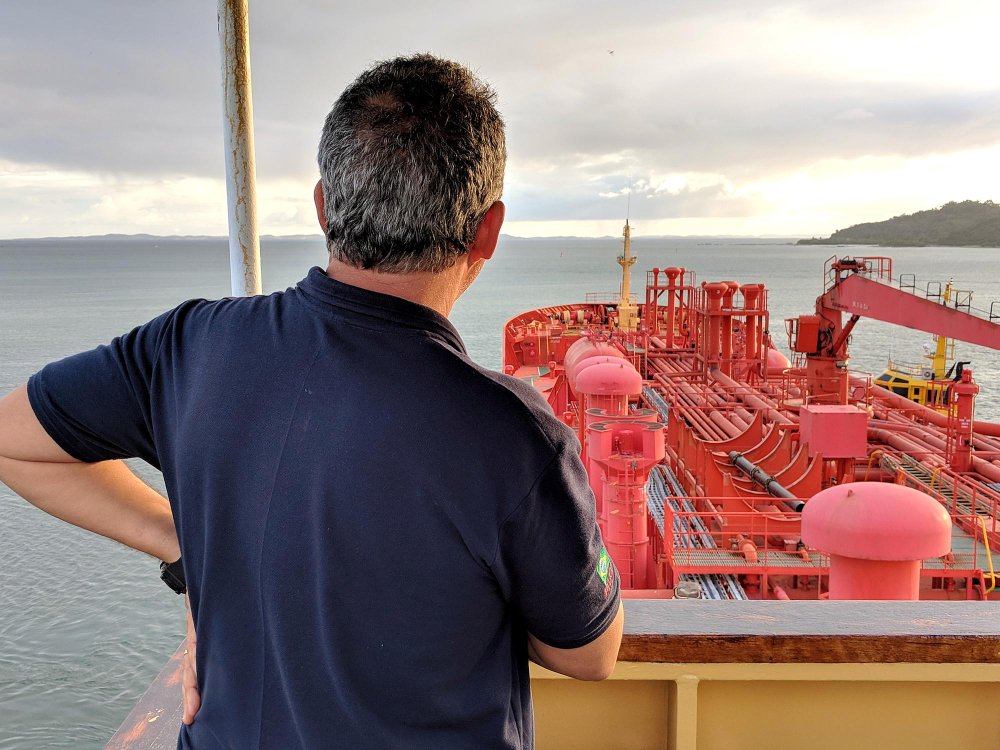
Bunker fuel accounts for up to 60–70% of a ship’s operational costs. With such high stakes, even minor discrepancies in fuel delivery can result in significant financial implications. A bunker survey provides independent verification of the quantity of fuel onboard before and after bunkering. It protects both buyers and suppliers from fraud, errors, or disputes.
Why Bunker Surveys Are Necessary
- Preventing Losses: A one-ton discrepancy in bunker fuel can mean thousands of dollars lost.
- Fraud Prevention: Independent surveys minimize risks of “short delivery” practices.
- Regulatory Compliance: Accurate bunker reports are used for taxation, charter agreements, and compliance with IMO regulations.
The Bunker Survey Procedure
- ROB (Remaining on Board) Measurement – Calculating the quantity of fuel onboard before delivery.
- Delivery Measurement – Checking the amount received after bunkering.
- Sounding and Ullaging – Measuring the depth of fuel in each tank using calibrated equipment.
- Temperature and Density Correction – Applying corrections to get standard volume.
- Final Report – Providing a comprehensive report that reflects the actual bunker delivered.
Benefits for Clients
- Charterers: Ensure they pay for the correct amount of fuel.
- Shipowners: Monitor consumption and reduce operational disputes.
- Insurers (P&I Clubs): Have reliable documentation for claims.
Conclusion
A bunker survey is a small investment that prevents major financial risks. With ATS’s impartial and professional approach, clients gain peace of mind knowing every ton of bunker fuel is accounted for.